From Overwhelmed to Supported: How Small Memory Care Homes Assist Senior Citizens Thrive
Business Name: BeeHive Homes of Crownridge Assisted Living & Memory Care
Address: 6919 Camp Bullis Rd, San Antonio, TX 78256
Phone: (210) 874-5996
BeeHive Homes of Crownridge Assisted Living & Memory Care
We are a small, 16 bed, assisted living home. We are committed to helping our residents thrive in a caring, happy environment.
6919 Camp Bullis Rd, San Antonio, TX 78256
Business Hours
Families rarely begin their search for senior care from a place of calm. More often, it begins after a scare: a midnight fall, a pot left burning on the range, a parent who roamed 3 streets over and could not find the way back. By the time someone states, "We need aid," the household is currently exhausted.
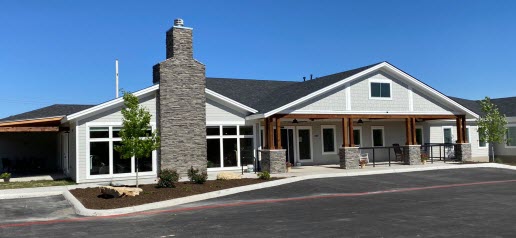
That is typically when the huge buildings appear on the radar. Large assisted living communities with grand lobbies, numerous dining-room, and shiny sales brochures are highly noticeable. Small memory care homes, frequently in peaceful communities and transformed single household homes, seldom advertise as loudly. Yet for lots of older adults dealing with dementia, these little homes are where real recovery and flourishing begin.
I have actually enjoyed both courses up close. I have seen citizens closed down in environments that were too loud, too hurried, and too unfamiliar. I have also seen somebody who had stopped speaking start to hum along to a song in a calm, 10 bed memory care home kitchen while assisting to stir cookie dough. The difference is not magic. It has to do with scale, structure, and attention.
This short article looks carefully at how little memory care homes work, who they serve best, and what trade offs families need to comprehend before they choose.
What "little" really means in memory care
The term "small" can be slippery in senior care marketing. Some business explain a 60 resident building as "intimate." For clarity, let us define a small memory care home as a residence that typically serves in between 6 and 16 seniors, typically in a home or home that seems like a normal home.
You may see them called residential care homes, board and care homes, group homes, or small assisted living. Licensing categories differ by state, however a couple of common features usually appear:
Residents share a real living-room, not a hotel style lobby. Meals are prepared in a typical cooking area, frequently within view of where citizens invest their day. Bed rooms might be private or semi private, but corridors are short and sightlines are clear, which matters a lot for dementia care.
The smaller size does not simply alter the appearance of the location. It changes the relationships inside it.
In big assisted living or memory care neighborhoods, it is not unusual for a caregiver to be responsible for 10 to 14 homeowners during a day shift, and much more in the evening. In a small home, ratios of 1 to 4 or 1 to 5 during waking hours are common in well run operations. That distinction appears in whatever from for how long someone waits to use the restroom to whether personnel notice that a resident stopped consuming dessert today, although it used to be the favorite part of the meal.
Why scale matters so much in dementia care
Dementia affects more than memory. It changes how someone processes visual details, noise, and motion around them. People who used to deal with a congested restaurant without blinking may now feel overwhelmed by a busy dining hall. Long corridors, patterned carpets, and continuously altering staff can become a blur.
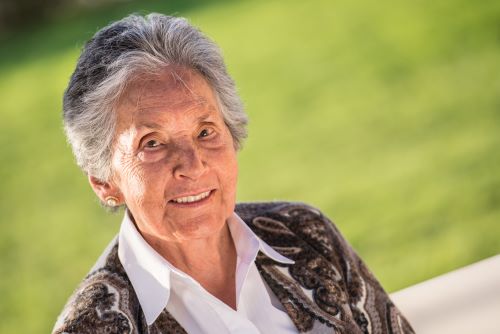
In that context, a small memory care home has several built in advantages.
First, there is consistency. With a restricted variety of residents, the staff team tends to be smaller and more stable. The very same three or four caregivers exist day after day. Residents with dementia frequently acknowledge faces and voices long after they forget names. Familiarity decreases anxiety. When a resident wakes from a nap confused, seeing the same caregiver they saw at breakfast can make the distinction between a calm redirection and a full panic.
Second, the environment is simpler and simpler to navigate. One or two typical locations, an open kitchen, and plainly significant bathrooms decrease the number of choices a resident must make to move through the day. Even simple information matter: a white toilet seat against a tan flooring, a contrasting plate color that makes food noticeable, a front patio where somebody can sit without the danger of straying school unnoticed.
Third, routine ends up being a natural rhythm rather of a rigid schedule. In large structures, tasks need to be batched to remain efficient. Breakfast is "from 7 to 8:30," showers are appointed to specific days, and personnel needs to push to keep everyone on time. In a little home, there is more space to honor individual patterns: the late riser who desires coffee at 9:30, the early riser who likes to fold towels at dawn, the individual who constantly cleaned dishes after dinner and still finds convenience because task.
None of this erases the progression of dementia. It does, however, lower the daily friction that so typically causes agitation, "habits issues," or overuse of sedating medications.
Moving from crisis management to authentic support
Families typically begin trying to find care since something has actually gone wrong. A mother who always managed costs paying suddenly starts missing payments. A father with early Alzheimer's gets lost while driving a familiar path. A partner can not supply 24 hr guidance any longer. At that stage, it is natural to believe in terms of risk control: preventing falls, avoiding medication mistakes, stopping wandering.
Small memory care homes deal with those security concerns, but their stronger value lies in a more human concern: How can this person still live a reality, inside their brand-new limits?
One child I dealt with had been taking care of her 82 year old father in your home for 3 years. He had moderate dementia and Parkinson's. She was rising at 5 a.m. To assist him out of bed, handling his medications, handling the finances, and holding a part time job. By the time she called for aid, she was sleeping in 90 minute pieces and crying in the pantry so he would not see her. She informed me, "I simply require a location where he will be safe."
He moved into a small, 10 resident memory care home not far from their area. Safety needs were satisfied quickly: grab bars, supervision, medication administration, kept track of exits. What struck the daughter 2 weeks later was not the devices. It was strolling in one afternoon to find her father sitting at the cooking area table with two other citizens, carefully snapping completions off green beans. He was talking with a caretaker about the garden he utilized to keep.
"He has actually not looked that participated in a year," she said. "I believed we were done with that part of him."
The shift from overwhelmed to supported takes place for families along with homeowners. When a trustworthy group shares the minute by minute responsibility, spouses and adult kids can become visitors once again instead of tired full time caregivers. That reset typically repairs strained relationships. The child might now sit and browse old photo albums with her dad without fretting about his next dosage of medication.
How little homes vary from traditional assisted living
Many families ask whether a loved one should move into general assisted living or specifically into memory care. The answer depends on the person's needs, their stage of dementia, and their character long before they had any cognitive decline.
Assisted living is usually developed for senior citizens who need help with some activities of daily living, such as bathing, dressing, or managing medications, however who do not have major roaming or habits concerns. Residents might have moderate cognitive disability or very early dementia, yet still operate separately in many ways.
General assisted living settings frequently have:
Large communal dining rooms with set meal times. Scheduled group activities like bingo, motion pictures, or trips. Apartments with kitchen spaces and locking doors. Variable staff training in dementia care.
In contrast, devoted small memory care homes are customized to individuals who have moved even more along the dementia spectrum. They focus on supervision, structure, and cueing. Doors are generally protected, lots of products are streamlined for safety, and stimulation is intentionally moderated.
Key distinctions in everyday life include the way activities are integrated. In a big assisted living building, activities are generally arranged by a leisure director and happen at set times in particular spaces. In a little home, much of what would be called "activities" simply takes place alongside daily jobs: folding laundry together, shredding lettuce, measuring sugar, sweeping an outdoor patio, listening to old music while personnel prepare snacks.
Families in some cases fret that a little home will indicate less official events. What often disappears are the loud, congested events that many residents with dementia might not truly follow anyway. In their location come several small, sensory rich minutes that match a resident's attention period and energy level.
That said, there are trade offs. Larger assisted living or memory care communities might provide on website physical treatment, bigger outdoor areas, or specialized programs for art and music led by outdoors specialists. For sociable citizens in earlier stages of dementia, that variety can fit them well. Some families start in large assisted living with a memory care wing, then move to a smaller home when the disease progresses and the environment becomes overwhelming.
The emotional environment: quieter, but not silent
A well run little memory care home has a particular sound. You notice some soft discussion, a radio with standards or oldies in the background, the sizzle of something cooking, maybe a bird feeder outside the window. You do not hear chairs scraping in a hundred seat dining room, or intercom statements, or a vacuum running constantly.
For many people with dementia, that quieter backdrop lets them remain present. They can track a discussion. They are less surprised by sudden noises. Hallways are short, so a resident calling out is heard and reacted to rapidly rather than echoing unanswered.
The quieter environment likewise affects personnel. Caregivers are closer to one another, not spread throughout several floorings. Supervisors can see and hear what is taking place in real time. That intimacy creates responsibility. A tired out aide in a big building can feel anonymous and unsupported. In a 10 person home, aggravation is seen rapidly and resolved before it becomes burnout.
The emotional climate does depend greatly on the management. A small home can feel warm and familial, or tense and controlling, depending on how the administrator deals with both citizens and personnel. When you tour, pay as much attention to body language and tone as to décor. Staff who gently redirect a baffled resident, who understand the story behind the wedding event image on the night table, and who joke kindly with one another are strong signs of a healthy culture.
Respite care in small memory homes
Not every household is prepared for an irreversible relocation. Some are testing the waters of senior care. Others just require a break to rest, travel, or manage medical issues of their own. This is where respite care enters the picture.
Respite care is brief term, generally anywhere from a few days to a number of weeks. A small memory care home that uses respite can give families a secured trial duration. The resident gets used to a new environment, and the staff learns their practices and preferences, without the psychological weight of "this is forever."
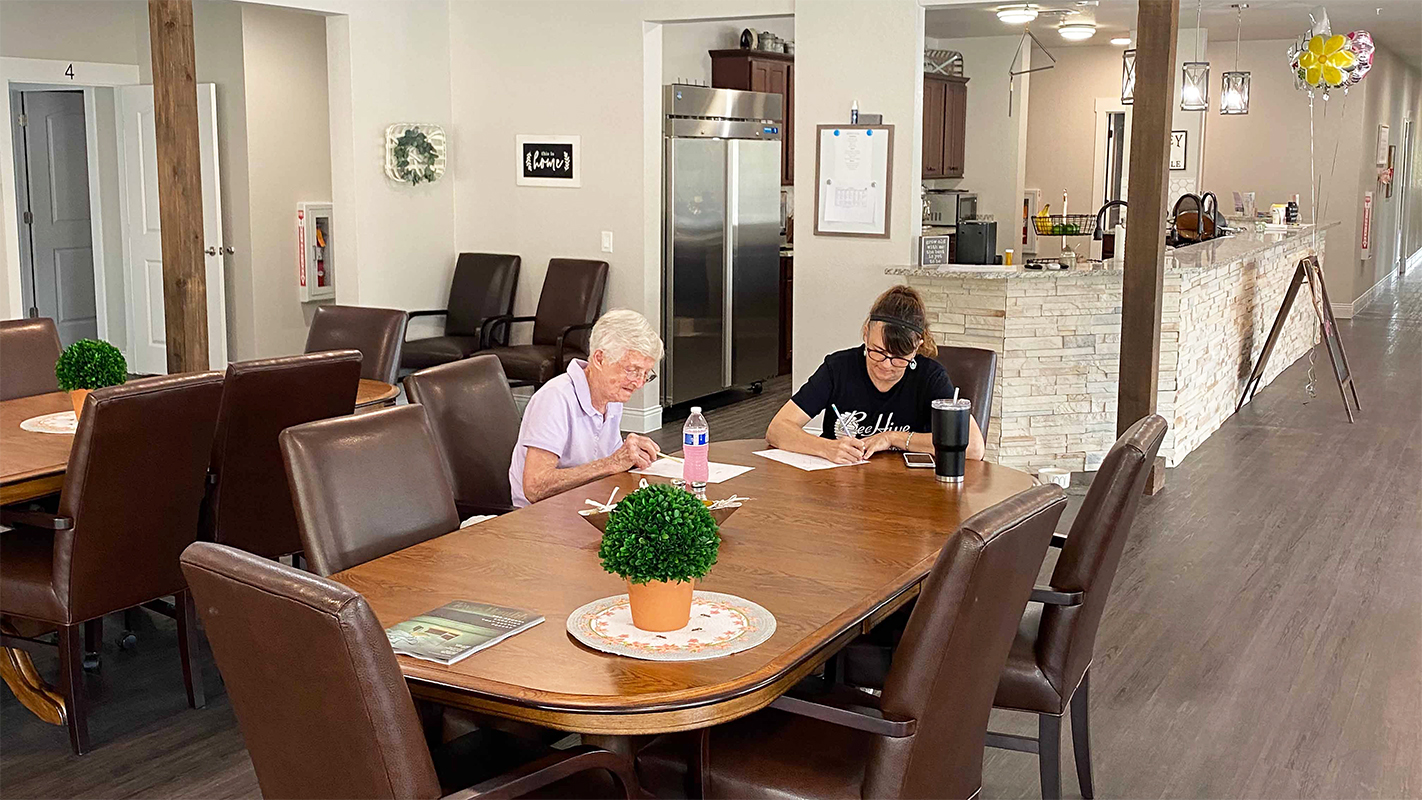
I typically encourage households to utilize respite care before everyone remains in crisis. A week long remain after a planned surgical treatment for the primary caregiver is a lot easier on the resident than an emergency situation admission after their caregiver collapses from exhaustion. It also offers the household a clear sense of how their loved one makes with structured dementia care: Does roaming decrease? Does sleep enhance? Are there less angry outbursts when personal care is supplied by someone outside the family?
Many partners return from that first respite stay surprised by the modification in their own body. They sleep deeply for the first time in months. Their high blood pressure comes down. Their patience returns. When they get their loved one at the end of the respite period, they can see more clearly what the future requires, whether that implies continued home care, another respite in a couple of months, or a move into long term care.
When researching respite care respite care BeeHive Homes of Crownridge Assisted Living & Memory Care alternatives, ask extremely specific questions: Is the respite guest included in all activities or kept separate? Exist additional charges beyond the daily rate? How are medications managed, specifically if there are as needed prescriptions for anxiety or agitation? In a small home, respite areas can be restricted, so planning ahead matters.
Signs a little memory care home might be the best fit
Families sometimes be reluctant to move toward what sounds like a more "intensive" setting such as memory care. They hope assisted living with some additional support will suffice, or that more hours of in home aid can solve the issue. There is no one answer, however specific patterns suggest that a small memory care home might be worth severe consideration.
Here are a few of the typical signs:
- The individual has actually wandered or attempted to leave home, and guidance is needed around the clock.
- Bathing, dressing, or toileting often cause arguments or physical resistance, even with familiar caregivers.
- The current assisted living setting is providing warnings or suggesting that they "might not be suitable" for the level of care offered.
- The primary caregiver is sleeping badly, feels unable to leave the house, or is overlooking their own medical needs.
- Hallucinations, severe anxiety, or late day agitation ("sundowning") are increasing, and redirecting in your home is no longer working.
None of these immediately implies a move needs to happen tomorrow. They do, however, signal that the present arrangement is stretching everyone to the limitation. Touring a few little homes before things reach a boiling point offers you more choices and more time to weigh them.
What good dementia care appears like in a small setting
Quality dementia care is not about having the fanciest structure or the current electronic devices. In little memory care homes that really help residents prosper, numerous practical elements show up consistently.
Care is embellished, not one size fits all. Personnel know who is relaxed by folding towels, who reacts best to music from the 1950s, who requires an extra snack before bed to sleep well, and who chooses a bath to a shower. That knowledge is jotted down, shared throughout shifts, and updated as the disease progresses.
Communication is respectful and concrete. Instead of "Do you want to get dressed now?" which can overwhelm someone with options, you hear "Let us put on your blue t-shirt, then we will have breakfast." Personnel do not argue with deceptions. If a resident is convinced they need to pick up their children at school, an excellent caregiver may say, "The school called, and they are remaining for an additional activity. Let us have some tea while we wait," then move to a familiar task.
Risk is handled, not eliminated. Complete safety is not sensible for anybody. In a small home, the goal is affordable security with meaningful life. That might indicate allowing a resident with moderate dementia to help in the garden with guidance, even if there is a small danger of tripping, instead of parking them in front of the television all afternoon.
Families are partners, not spectators. Personnel consistently ask for stories about the resident's past, favorite regimens, or household traditions. Pictures and biography boards are used as conversation prompts. Households are welcomed to sign up with for meals or activities when they can, and their observations are taken seriously in care planning.
When those aspects line up, little memory care homes can support unexpected moments of happiness: a previous librarian reading aloud from a familiar book, a retired nurse helping to "train" a new employee in taking a pulse, a long-lasting gardener deadheading flowers on the patio.
Questions to ask when exploring small memory care homes
Brochures and sites will only inform you a lot. The real test is what you see, hear, and feel when you stroll through the front door. To make your visits more productive, it assists to have a succinct set of questions that cut through marketing language and get at day to day reality.
Consider asking:
- What is your normal personnel to resident ratio on days, nights, and nights, and who is really in the building throughout those times?
- How do you train personnel in dementia care, and how typically do they get ongoing education?
- Can you explain how a common day unfolds for someone at my parent's stage of dementia, from waking up to bedtime?
- How do you handle medical concerns after hours, and which doctors or nurse specialists recognize with your residents?
- How do you include households in care choices, and how will you interact with me if something changes?
While you ask, observe quietly too. Do personnel call locals by their preferred name? Are people dressed in clean, seasonally proper clothes? Do you see homeowners being carefully encouraged to consume, or are plates left unblemished? Is there a smell of urine that recommends persistent incontinence issues are not handled well?
Your impulses matter. If you leave a tour with a tight feeling in your stomach, even if whatever sounded fine on paper, focus on that. Conversely, if you find yourself breathing out and thinking, "I might sit here with my mom and have coffee," that is also helpful data.
Balancing cost, gain access to, and values
Cost is frequently the hardest practical piece. Little memory care homes can be similar to, or in some cases a little more costly than, larger assisted living communities that provide memory care units. They hardly ever accept Medicaid in the early stages of a stay, though some will enable locals to convert once they have actually lived there for a certain period and a bed is available.
Families likewise must consider location. A lovely little home an hour away might look enticing, but distance endures both locals and visitors. Having the ability to stop in for thirty minutes after work, or bring grandchildren for Sunday afternoon visits, supports psychological health on both sides.
Values matter as much as facilities. Some families position a high concern on faith based environments. Others desire a multilingual personnel. Some wish for a home that invites animals, or has a strong concentrate on outdoor time. Clarifying what truly matters to your loved one, and to you, will help narrow the field.
Where small homes shine is positioning in between environment and the reality of dementia. The closer a setting matches the person's current abilities and needs, the more space there is for comfort, self-respect, and little everyday pleasures.
From enduring to living
Caring for a loved one with dementia is never basic. Even the best small memory care home will not erase the grief of viewing somebody modification, or the tough choices along the method. What it can do, at its best, is move everyone from continuous crisis management into a more sustainable, gentle rhythm.
For the resident, that might look like days filled with regular, gentle company, and work that feels purposeful, even if it is simply sorting napkins. For the family, it may mean sleeping through the night, reclaiming their own medical visits, or having the ability to bring grandchildren to visit without fretting that a boiling pot is unattended in the kitchen.
The shift from overwhelmed to supported does not come from one grand gesture. It originates from a hundred small, repetitive acts of care, provided in a setting that is sized to notice them. Small memory care homes, when well chosen and well run, supply precisely that kind of setting, where senior citizens with dementia can still do more than exist. They can, within their altering world, genuinely thrive.
BeeHive Homes of Crownridge Assisted Living has license number of 307787
BeeHive Homes of Crownridge Assisted Living is located at 6919 Camp Bullis Road, San Antonio, TX 78256
BeeHive Homes of Crownridge Assisted Living has capacity of 16 residents
BeeHive Homes of Crownridge Assisted Living offers private rooms
BeeHive Homes of Crownridge Assisted Living includes private bathrooms with ADA-compliant showers
BeeHive Homes of Crownridge Assisted Living provides 24/7 caregiver support
BeeHive Homes of Crownridge Assisted Living provides medication management
BeeHive Homes of Crownridge Assisted Living serves home-cooked meals daily
BeeHive Homes of Crownridge Assisted Living offers housekeeping services
BeeHive Homes of Crownridge Assisted Living offers laundry services
BeeHive Homes of Crownridge Assisted Living provides life-enrichment activities
BeeHive Homes of Crownridge Assisted Living is described as a homelike residential environment
BeeHive Homes of Crownridge Assisted Living supports seniors seeking independence
BeeHive Homes of Crownridge Assisted Living accommodates residents with early memory-loss needs
BeeHive Homes of Crownridge Assisted Living does not use a locked-facility memory-care model
BeeHive Homes of Crownridge Assisted Living partners with Senior Care Associates for veteran benefit assistance
BeeHive Homes of Crownridge Assisted Living provides a calming and consistent environment
BeeHive Homes of Crownridge Assisted Living serves the communities of Crownridge, Leon Springs, Fair Oaks Ranch, Dominion, Boerne, Helotes, Shavano Park, and Stone Oak
BeeHive Homes of Crownridge Assisted Living is described by families as feeling like home
BeeHive Homes of Crownridge Assisted Living offers all-inclusive pricing with no hidden fees
BeeHive Homes of Crownridge Assisted Living has a phone number of (210) 874-5996
BeeHive Homes of Crownridge Assisted Living has an address of 6919 Camp Bullis Rd, San Antonio, TX 78256
BeeHive Homes of Crownridge Assisted Living has a website https://beehivehomes.com/locations/san-antonio/
BeeHive Homes of Crownridge Assisted Living has Google Maps listing https://maps.app.goo.gl/YBAZ5KBQHmGznG5E6
BeeHive Homes of Crownridge Assisted Living has Facebook page https://www.facebook.com/sweethoneybees
BeeHive Homes of Crownridge Assisted Living has Instagram https://www.instagram.com/sweethoneybees19
BeeHive Homes of Crownridge Assisted Living won Top Assisted Living Homes 2025
BeeHive Homes of Crownridge Assisted Living earned Best Customer Service Award 2024
BeeHive Homes of Crownridge Assisted Living placed 1st for Senior Living Communities 2025
People Also Ask about BeeHive Homes of Crownridge Assisted Living
What is BeeHive Homes of Crownridge Assisted Living monthly room rate?
Our monthly rate depends on the level of care your loved one needs. We begin by meeting with each prospective resident and their family to ensure we’re a good fit. If we believe we can meet their needs, our nurse completes a full head-to-toe assessment and develops a personalized care plan. The current monthly rate for room, meals, and basic care is $5,900. For those needing a higher level of care, including memory support, the monthly rate is $6,500. There are no hidden costs or surprise fees. What you see is what you pay.
Can residents stay in BeeHive Homes of Crownridge Assisted Living until the end of their life?
Usually yes. There are exceptions such as when there are safety issues with the resident or they need 24 hour skilled nursing services.
Does BeeHive Homes of Crownridge Assisted Living have a nurse on staff?
Yes. Our nurse is on-site as often as is needed and is available 24/7.
BeeHive Homes of Crownridge Assisted Living & Memory Care has license number of 307787
BeeHive Homes of Crownridge Assisted Living & Memory Care is located at 6919 Camp Bullis Road, San Antonio, TX 78256
BeeHive Homes of Crownridge Assisted Living & Memory Care has capacity of 16 residents
BeeHive Homes of Crownridge Assisted Living & Memory Care offers private rooms
BeeHive Homes of Crownridge Assisted Living & Memory Care includes private bathrooms with ADA-compliant showers
BeeHive Homes of Crownridge Assisted Living & Memory Care provides 24/7 caregiver support
BeeHive Homes of Crownridge Assisted Living & Memory Care provides medication management
BeeHive Homes of Crownridge Assisted Living & Memory Care serves home-cooked meals daily
BeeHive Homes of Crownridge Assisted Living & Memory Care offers housekeeping services
BeeHive Homes of Crownridge Assisted Living & Memory Care offers laundry services
BeeHive Homes of Crownridge Assisted Living & Memory Care provides life-enrichment activities
BeeHive Homes of Crownridge Assisted Living & Memory Care is described as a homelike residential environment
BeeHive Homes of Crownridge Assisted Living & Memory Care supports seniors seeking independence
BeeHive Homes of Crownridge Assisted Living & Memory Care accommodates residents with early memory-loss needs
BeeHive Homes of Crownridge Assisted Living & Memory Care does not use a locked-facility memory-care model
BeeHive Homes of Crownridge Assisted Living & Memory Care partners with Senior Care Associates for veteran benefit assistance
BeeHive Homes of Crownridge Assisted Living & Memory Care provides a calming and consistent environment
BeeHive Homes of Crownridge Assisted Living & Memory Care serves the communities of Crownridge, Leon Springs, Fair Oaks Ranch, Dominion, Boerne, Helotes, Shavano Park, and Stone Oak
BeeHive Homes of Crownridge Assisted Living & Memory Care is described by families as feeling like home
BeeHive Homes of Crownridge Assisted Living & Memory Care offers all-inclusive pricing with no hidden fees
BeeHive Homes of Crownridge Assisted Living & Memory Care has a phone number of (210) 874-5996
BeeHive Homes of Crownridge Assisted Living & Memory Care has an address of 6919 Camp Bullis Rd, San Antonio, TX 78256
BeeHive Homes of Crownridge Assisted Living & Memory Care has a website https://beehivehomes.com/locations/san-antonio/
BeeHive Homes of Crownridge Assisted Living & Memory Care has Google Maps listing https://maps.app.goo.gl/YBAZ5KBQHmGznG5E6
BeeHive Homes of Crownridge Assisted Living & Memory Care has Facebook page https://www.facebook.com/sweethoneybees
BeeHive Homes of Crownridge Assisted Living & Memory Care has Instagram https://www.instagram.com/sweethoneybees19
BeeHive Homes of Crownridge Assisted Living & Memory Care won Top Assisted Living Homes 2025
BeeHive Homes of Crownridge Assisted Living & Memory Care earned Best Customer Service Award 2024
BeeHive Homes of Crownridge Assisted Living & Memory Care placed 1st for Senior Living Communities 2025
People Also Ask about BeeHive Homes of Crownridge Assisted Living & Memory Care
What is BeeHive Homes of Crownridge Assisted Living & Memory Care monthly room rate?
Our monthly rate depends on the level of care your loved one needs. We begin by meeting with each prospective resident and their family to ensure we’re a good fit. If we believe we can meet their needs, our nurse completes a full head-to-toe assessment and develops a personalized care plan. The current monthly rate for room, meals, and basic care is $5,900. For those needing a higher level of care, including memory support, the monthly rate is $6,500. There are no hidden costs or surprise fees. What you see is what you pay.
Can residents stay in BeeHive Homes of Crownridge Assisted Living & Memory Care until the end of their life?
Usually yes. There are exceptions such as when there are safety issues with the resident or they need 24 hour skilled nursing services.
Does BeeHive Homes of Crownridge Assisted Living & Memory Care have a nurse on staff?
Yes. Our nurse is on-site as often as is needed and is available 24/7.
What are BeeHive Homes of Crownridge Assisted Living & Memory Care visiting hours?
Normal visiting hours are from 10am to 7pm. These hours can be adjusted to accommodate the needs of our residents and their immediate families.
Do we have couple’s rooms available?
At BeeHive Homes of Crownridge Assisted Living & Memory Care, all of our rooms are only licensed for single occupancy but we are able to offer adjacent rooms for couples when available. Please call to inquire about availability.
What is the State Long-term Care Ombudsman Program?
A long-term care ombudsman helps residents of a nursing facility and residents of an assisted living facility resolve complaints. Help provided by an ombudsman is confidential and free of charge. To speak with an ombudsman, a person may call the local Area Agency on Aging of Bexar County at 1-210-362-5236 or Statewide at the toll-free number 1-800-252-2412. You can also visit online at https://apps.hhs.texas.gov/news_info/ombudsman.
Are all residents from San Antonio?
BeeHive Homes of Crownridge Assisted Living & Memory Care provides options for aging seniors and peace of mind for their families in the San Antonio area and its neighboring cities and towns. Our senior care home is located in the beautiful Texas Hill Country community of Crownridge in Northwest San Antonio, offering caring, comfortable and convenient assisted living solutions for the area. Residents come from a variety of locales in and around San Antonio, including those interested in Leon Springs Assisted Living, Fair Oaks Ranch Assisted Living, Helotes Assisted Living, Shavano Park Assisted Living, The Dominion Assisted Living, Boerne Assisted Living, and Stone Oaks Assisted Living.
Where is BeeHive Homes of Crownridge Assisted Living & Memory Care located?
BeeHive Homes of Crownridge Assisted Living & Memory Care is conveniently located at 6919 Camp Bullis Rd, San Antonio, TX 78256. You can easily find directions on Google Maps or call at (210) 874-5996 Monday through Sunday 9am to 5pm.
How can I contact BeeHive Homes of Crownridge Assisted Living & Memory Care?
You can contact BeeHive Homes of Crownridge Assisted Living & Memory Care by phone at: (210) 874-5996, visit their website at https://beehivehomes.com/locations/san-antonio/,or connect on social media via Facebook or Instagram
Residents may take a nice evening stroll through La Villita Historic Village — a historic arts community in downtown San Antonio featuring art galleries, artisan shops, and restaurants.